Mega Cat Studios Gaming News: When One System Takes Over

This week, a feature got cut… and no, not because it didn’t work. But because it worked too well, it started overshadowing everything else. Yeah, that’s a new problem.
We’re not just talking about what’s trending. We’re breaking down what developers are learning in real time.
The “Main Character System” Problem
First up, there’s something devs have been running into a lot lately—what we’d call a Main Character System. It’s when one mechanic in your game is so polished, so satisfying, and so fun that everything else starts to feel optional.
From a player's perspective, that sounds great. But from a dev standpoint? That’s risky. Because instead of a cohesive experience, you end up with one standout feature and a bunch of systems players just ignore.
So now, teams are asking a tougher question. Is this system supporting the game or replacing it? Because if one mechanic does everything, you don’t really have depth. You’ve got an imbalance.
Designing for Momentum, Not Just Content
Another shift we’re seeing is how teams think about progression. It’s not just about how much content you have anymore; it’s about how fast players feel like they’re moving through it. This idea of a ‘Momentum Design’ is about ensuring something meaningful happens often.
A new upgrade, a new mechanic, a new twist—something that keeps things moving. Because the moment a player feels stuck, even for a brief moment, that’s usually where drop-off starts. From a dev perspective, it’s less about bigger rewards and more about timing them better.
The Rise of Mechanical Identity
We’re also seeing a push toward games having a really clear mechanical identity. Not just a genre, but a specific thing your game does better than anything else. Right now, players are jumping between games faster than ever. And if your game doesn’t stand out within minutes, it’s hard to keep their attention.
So more teams are simplifying, cutting overlap, and really doubling down on what makes their game unique. It’s less about having ten good ideas and more about having one that players won’t forget.
The Backlog Effect
Here’s something devs are quietly talking about right now. Players aren’t just choosing between new games anymore. They’re choosing between YOUR game and THEIR backlog. And that backlog? It’s huge.
The real competition isn’t just what’s releasing this week—it’s everything players haven’t finished yet. Which means your game has to answer one question immediately: “Why should I play this right now?” Because hesitation usually doesn't mean “maybe later…” it means skip.
Deep Dive: The First 10-Minute Rule
Now let’s zoom in on something a lot of teams are thinking about right now: The First Ten-Minute Rule. If a player doesn’t hit at least one memorable moment—one “okayyy, this is cool” reaction—within the first ten minutes, you’re already starting to lose them.
Openings are changing. Less slow build—more immediate payoff. But here’s the balance: you still need somewhere to go after that. Because a strong opening gets attention, but good systems are what keep players around.
Rapid Fire: The Discovery List
Now before we head back to the dev floor, here are a few games devs are watching right now for how they handle identity, momentum, and retention.
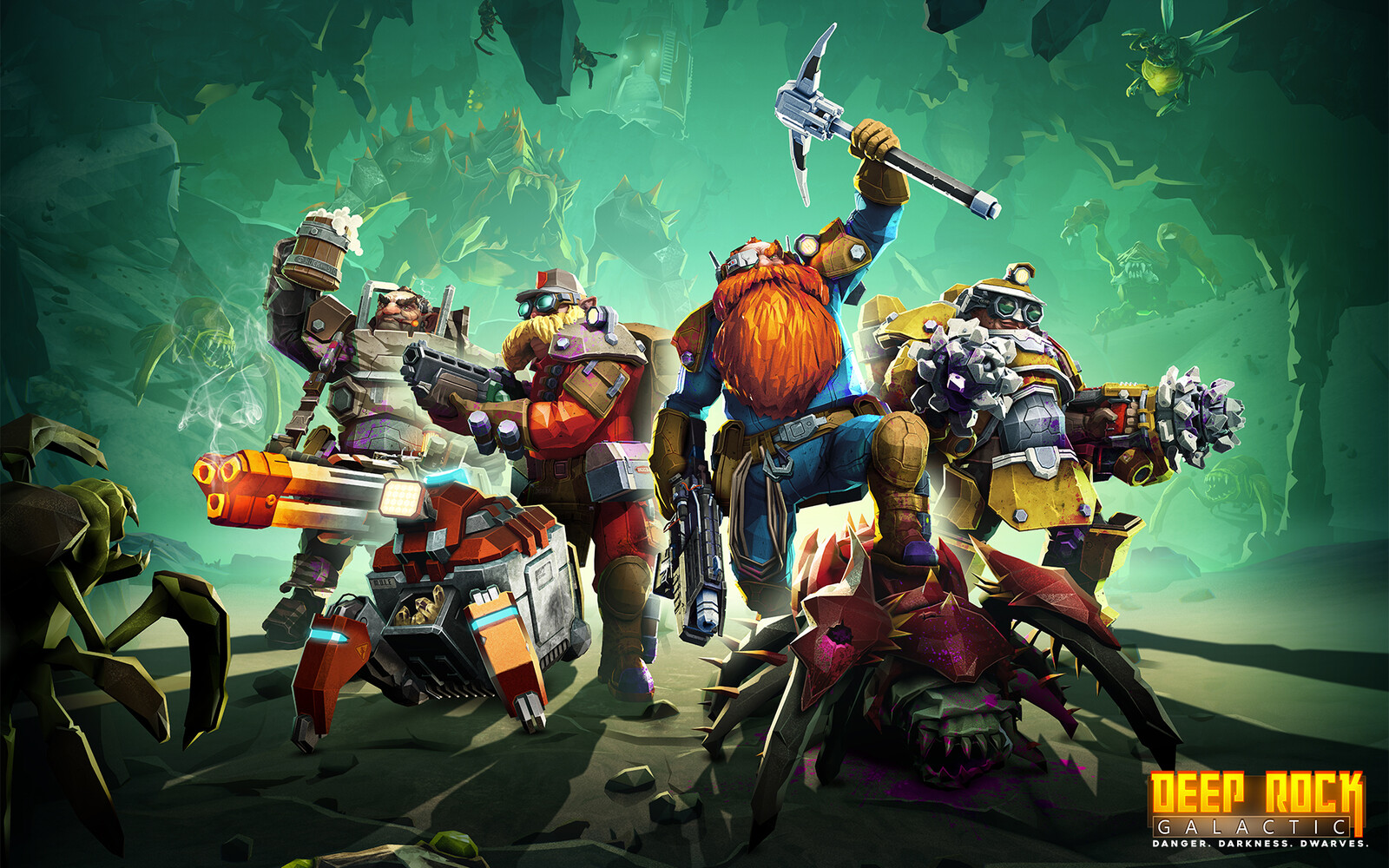
First up is Deep Rock Galactic. Even years after launch, it’s still a go-to example for co-op design. The mission, structure, class roles, and procedural levels create a loop that’s easy to jump into, but really hard to put down. It’s a great reminder that strong teamwork systems carry long-term engagement.
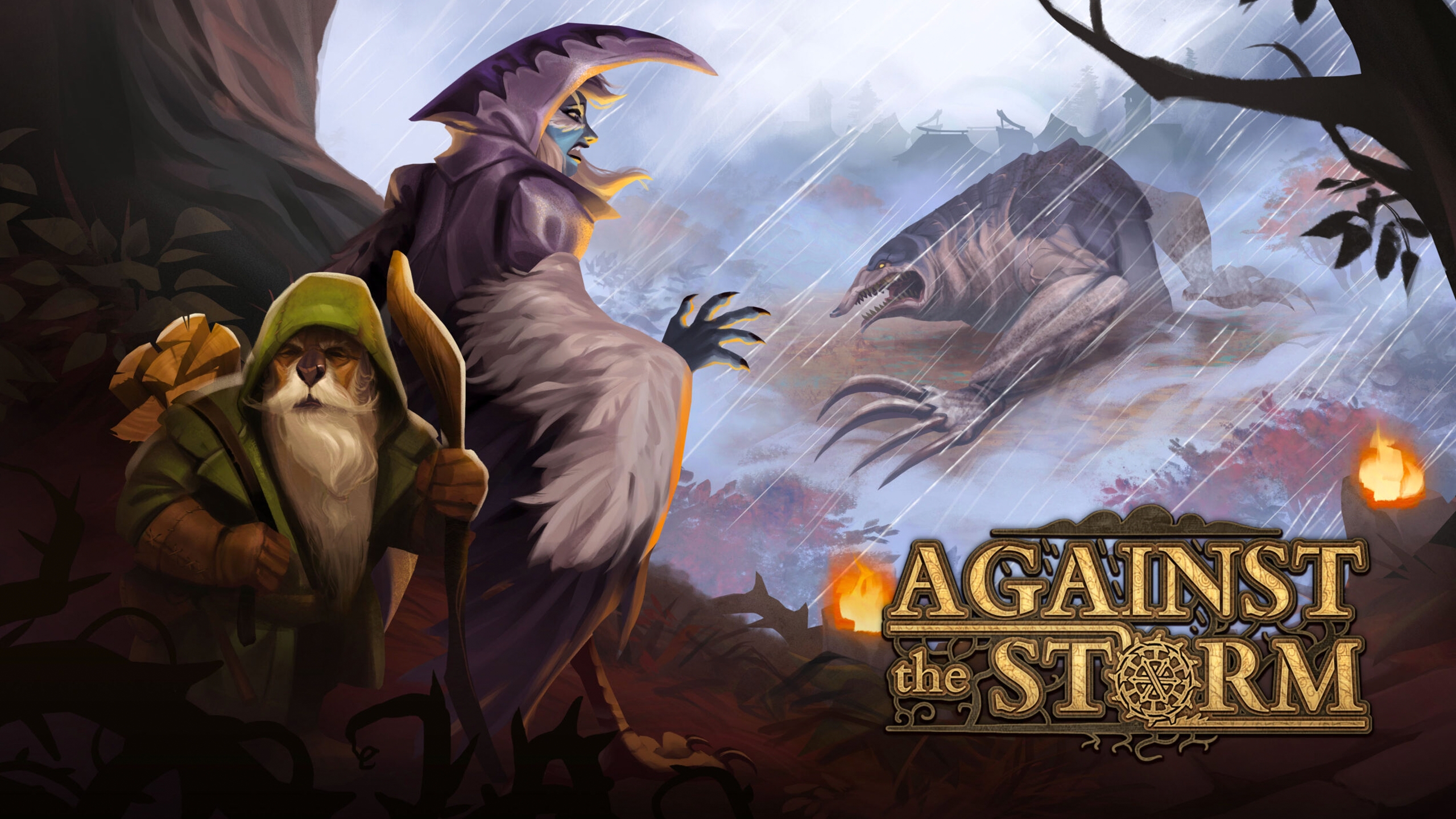
Next is Against the Storm. What’s interesting here is how it flips traditional city-building into a roguelike structure. Shorter runs, constant pressure, and shifting objectives keep momentum high while still delivering depth.
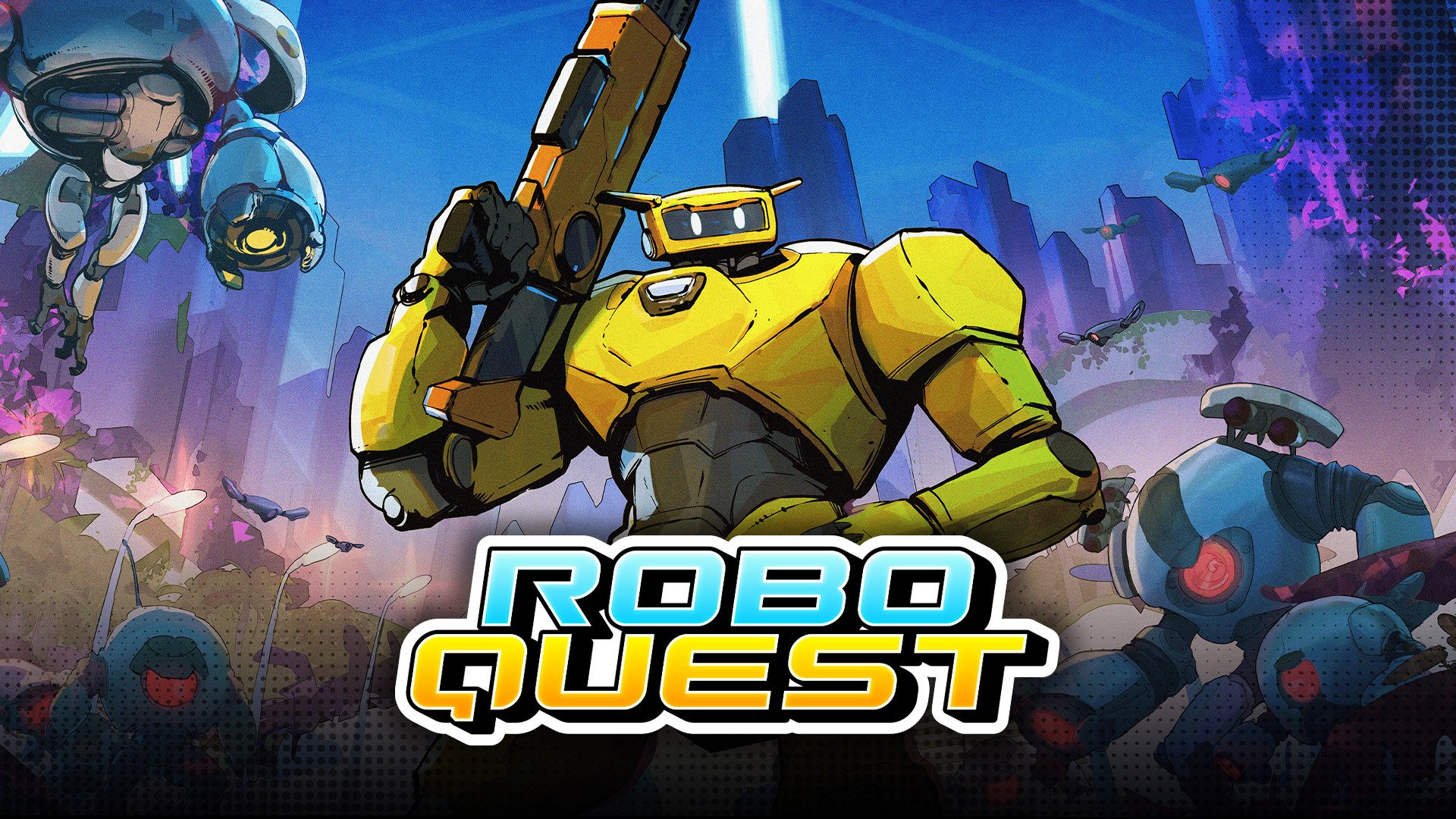
Another one getting dev attention is Roboquest. It’s fast, fluid, and everything—from movement to gunplay upgrades—feeds into that sense of flow. Players are almost always doing something that keeps engagement really tight.
We’re also seeing a lot of discussion around Content Warning. It’s built around a simple loop—record, survive, and upload—but the real magic comes from player interaction. Light on systems, but heavy on shared experiences.

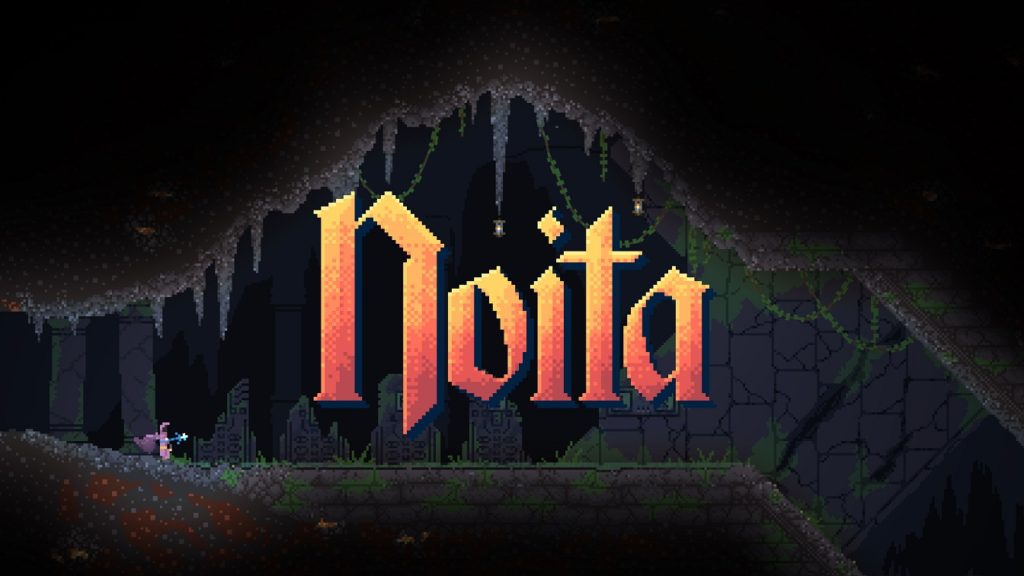
And finally, Noita. Its fully simulated world, which means every interaction feels meaningful, and no two runs ever play out the same. It’s chaotic, but in a way that feels intentional—and that’s what keeps players coming back.
And looking at all of these together, it’s clear that it’s not just about grabbing attention, it’s about giving players a reason to stay.
Right now, it feels like teams are getting sharper with every release—focusing less on adding more, and more on figuring out what clicks and refining what actually works.
_________________________________________________________________________________________
Watch the video here: