Mega Cat Gaming News: What Does a Gamer Actually Want?

There was a time when it was easier to know who you were making a game for. You could make a pretty good guess about what they liked, what they were looking for, and what might convince them to try something new.
That’s getting a lot harder to pin down.
Bain & Company’s 2026 Gaming Report paints a picture of an audience with increasingly different tastes. Some players want deep systems and long adventures. Others want multiplayer games they can jump into with friends. Some want huge sandbox worlds, while others would rather have something they can play in short sessions.
For developers, that creates an interesting question: if everyone wants something different, who exactly should you be designing for?
The Death of the “Average Gamer”
Players have different preferences when it comes to the kinds of experiences they want, and Bain’s survey of more than 5,300 gamers reflects that fragmentation.
When players were asked what kinds of experiences they prefer, no single category reached more than 26%. That means there isn't one dominant player type waiting to be targeted.
For developers, this changes the starting point. Instead of assuming there’s a single audience for a game, studios have to think more carefully about which players they actually want to reach.
The Unfocused Middle
This becomes especially important when a game tries to do a little bit of everything. A little action. A little RPG. A little multiplayer. Something for everyone.
On paper, that sounds like a safe approach. Give players enough variety and hopefully everyone finds something they enjoy.
The problem is that a game can end up feeling familiar without giving anyone a strong reason to choose it. It may check plenty of boxes without having a clear identity of its own. That's the danger of the unfocused middle: trying so hard not to turn players away that you don't give anyone a compelling reason to stay.
Broad appeal isn't automatically the same thing as being compelling.
The 83% Metric
Bain's report offers an interesting piece of data here. After analyzing 100 recent game launches, the report found that games built around a hyper-specific, identifiable player type had an 83% commercial success rate. For unfocused titles, that number dropped to 50%.
The takeaway isn't that every successful game needs to be extremely niche. It's that specificity can be an advantage. When developers know who they're making a game for, they have a clearer lens for making decisions. Instead of asking, “Will everyone like this?”, they can ask a much more useful question: “Will our player love this?”
That difference can shape everything from the game's mechanics to its presentation.
The Comfort of Familiar Games
New games also have another challenge to overcome: players already have plenty of games they know and love. According to Bain's report, around two-thirds of players prefer familiar franchises or sequels, while only one in five actively seeks out new titles.
For a new developer, that means the competition isn't limited to other new releases. You're also competing against the games players already have installed, the franchises they've followed for years, and the experiences that have already earned a place in their routines.
A new game needs to give those players a reason to look away from what's familiar.
A Tale of Two Launches
Two very different games offer an interesting comparison.
Baldur's Gate 3 didn't try to appeal to every possible player. Larian Studios committed to a specific fantasy: a deep, choice-driven CRPG built around turn-based combat, complex systems, and a huge amount of player freedom. It knew what kind of game it wanted to be, and it knew who would be excited by that experience.
Then there's Concord, which entered an already crowded hero-shooter market as a $40 game but struggled to establish a clear hook for players.
The comparison isn't simply about one game being good and another being bad. It's about clarity. When players have endless options competing for their attention, they need to understand why a particular game is worth their time.
Specific Doesn’t Mean Small
And being specific doesn't mean a game has to stay small. Baldur's Gate 3 is a pretty convincing example. Larian built around a distinct audience and a very particular type of experience, then allowed that audience to grow.
That's an important distinction for developers. You can start with a clear identity without putting a ceiling on how many people might eventually enjoy your game.
The bigger risk may be trying to reach everyone before you've figured out what makes your game worth choosing in the first place.
Deep Dive: Pick Your Player Early
If there's one lesson developers can take from Bain's report, it's the value of figuring out your player early. Not at launch. Not when the marketing campaign starts. During prototyping.
Who is this game for? What do they love? What frustrates them? What aren't they getting from the games they're playing now?
Once you have those answers, they can help guide the rest of development. Combat, progression, difficulty, art direction, and other major decisions can all connect back to the player you're trying to reach. Your audience isn't just a marketing strategy. It's a design tool.
The “Everyone” Trap
“Everyone” sounds like the safest possible target. After all, why intentionally turn players away?
But every game has to make decisions, and every decision will naturally appeal to some players more than others. Trying to eliminate that completely can leave a game without much of an identity.
The better question isn't: “How do we avoid losing players?” It's: “Who are we making this game impossible to ignore for?” That doesn't mean ignoring everyone outside your target audience. It means giving the people most likely to love your game a reason to care in the first place.
Rapid Fire: The Discovery List
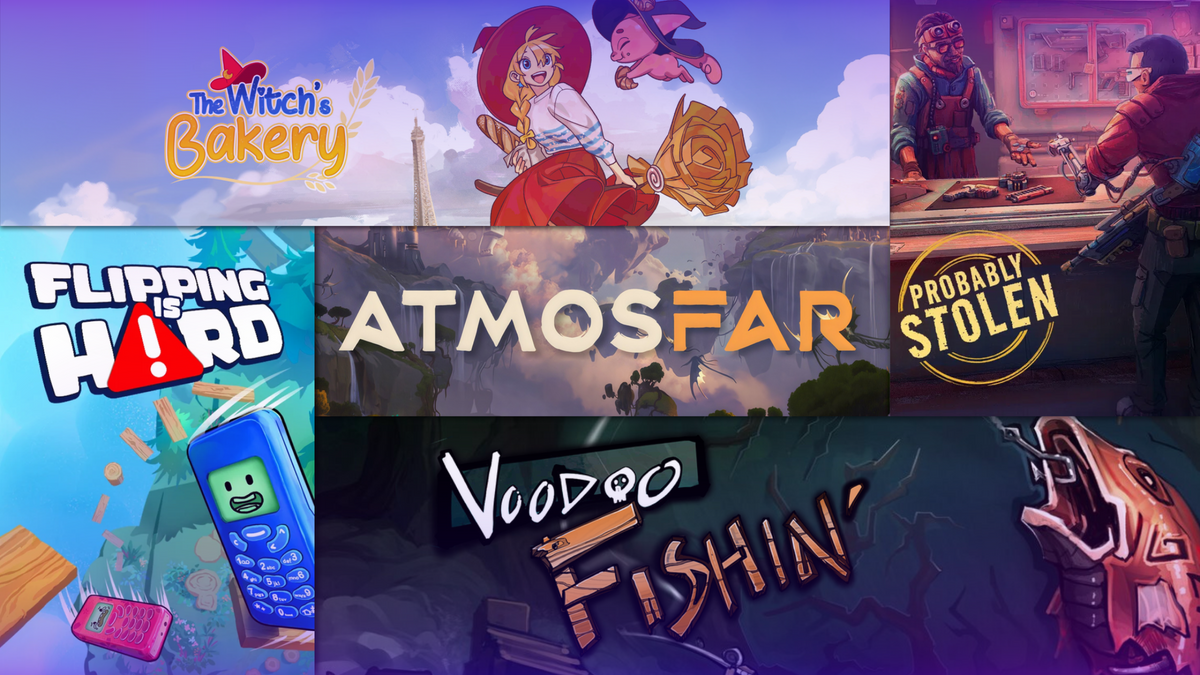
And while there’s no single type of gamer anymore, there’s always room for games that offer something a little different. This week’s Mega Cat-alogue features five new Steam releases worth checking out: I.T. Never Ends, Tukoni: Forest Keepers, UPBEAT, Little Sim World, and COSETTE: THE UNTITLED GAME.
From surviving a cosmic-horror office job and helping a magical forest prepare for winter to building musical platforms, starting a new life in Little London, and making choices that can change a story, this week's lineup has a lot of different ways to play.
If you'd like a closer look at what makes these games stand out, along with even more indie discoveries, be sure to check out the latest Mega Cat-alogue here.
The gaming audience may be more fragmented than ever, but that doesn't mean there's no audience for your game. It means there's a player out there looking for something that speaks to them.
The trick is figuring out who that player is.
-
Watch the video here: