Mega Cat Studios Gaming News: The Wishlist Economy

This week, a studio delayed its game. Not because of a game-breaking bug or a frame rate dip. No.
Just not enough people clicking ‘wishlist.’ Yeah, that’s where we’re at now.
We’re not just talking about what’s being built. We’re talking about what’s getting funded, getting delayed, and sometimes quietly disappearing.
Wishlist = The New Greenlight
First up, wishlists aren’t just a nice bonus anymore; they’re deciding what actually gets made. A few years ago, getting a game funded meant having a strong demo, a solid team, and a convincing pitch. Now? A lot of that comes down to how many people are clicking “wishlist.”
It’s all about Wishlist Velocity: how fast players are adding your game, how early they’re doing it, and whether that number keeps growing over time.
As a result, teams are announcing games much earlier. Sometimes, all it takes is a strong hook and a short gameplay clip. If it clicks, the numbers prove it right away. And if it doesn’t… Well, that tells you something, too. It’s basically real-time validation before launch. But it also means developers aren’t just designing for players anymore—they’re designing for the first impression click.
The Vertical Slice Trap
And because of that pressure, there's a shift happening behind the scenes. This is what devs call the Vertical Slice Trap—you build an amazing 10-minute demo, everything looks polished, everything feels great. But the moment you try to scale that across a full game, it starts to fall apart. Time, budget, team capacity—it all hits at once.
So now, the question has changed. It’s not “Can we make this look amazing once?” but “Can we actually build this consistently?”
That’s why more teams are focusing on systems, tools, and workflows first before they even think about the content. Because at the end of the day, a sustainable pipeline beats a perfect demo every time.
The Comeback of Mid-Tier Games
Another shift that’s getting a lot of attention right now is the return of AA games. Not massive AAA blockbusters, not super small indie projects, just something right in the middle. These are games with a clear scope, strong identity, and budgets that are actually manageable. And from a dev standpoint, that space is becoming very attractive.
AAA is getting more expensive and risky, while indie is getting more crowded—so AA becomes that middle ground where teams can take creative risks without betting everything on one launch. It’s not about being the biggest anymore, but being smart with scope.
Designing With Data
Now let’s talk about something that’s getting harder to ignore: metrics are shaping design more than ever. We’re talking about session length, retention, drop-off points, conversion rates. Teams can see exactly where players quit, where they struggle, and where they’re having fun.
That kind of data is powerful—it gives you a clear picture of what’s working. But here’s the catch: if you rely on it too much, you start designing for numbers instead of experience. You smooth things out and remove friction… but sometimes, that friction’s what makes the game interesting in the first place. So now, there’s this constant balancing act: follow the data or protect the vision. And the best studios are learning how to do both.
Deep Dive: The Second Hour Problem
This leads into one of the biggest challenges devs are talking about right now—the ‘second hour problem.’ Most games today start strong. The first 30 minutes feel polished, engaging, and easy to understand. But once players get past that first hour, that’s where drop-off starts to happen. Because if the game feels the same as it did in the beginning, there’s no reason to keep going.
So now, more teams are designing specifically for that moment. Adding new decisions, new tension, and new reasons to stay. Because what happens around that one-hour mark often decides if a player keeps going or moves on to the next game.
Rapid Fire: The Discovery List
Now, before we head back to the dev floor, here are a few games devs are watching right now for how they handle scope, identity, and retention.
-
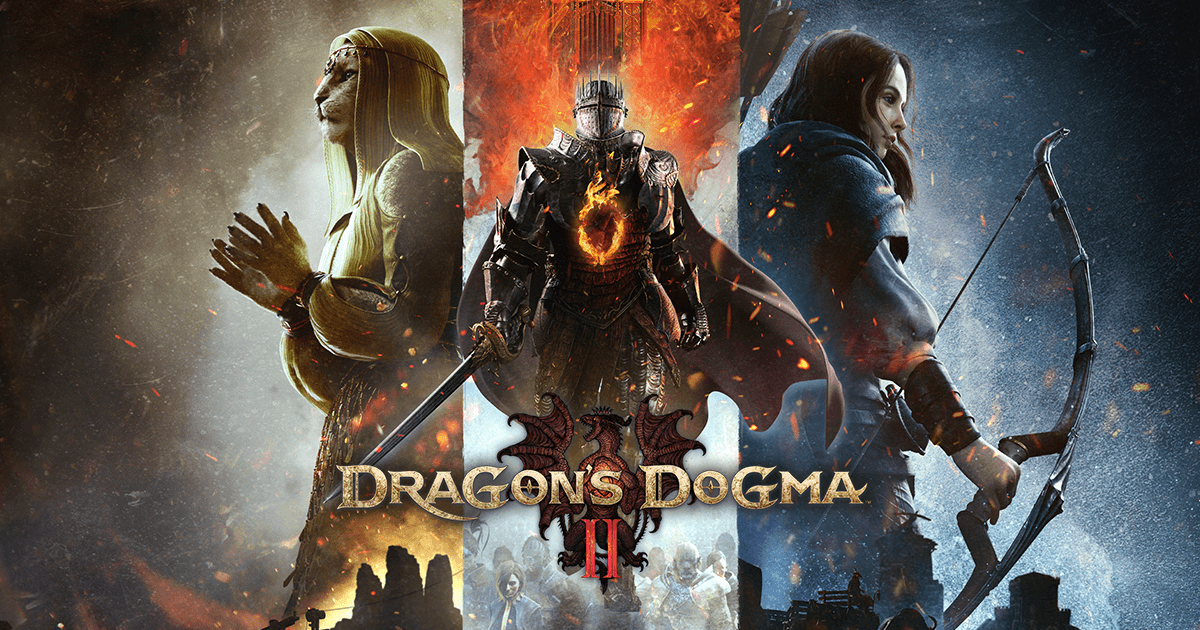
Dragon’s Dogma 2 is still sparking a lot of dev discussion around systemic design and emergent gameplay. It can get messy, but that’s also where those unscripted player-driven moments really shine.
-
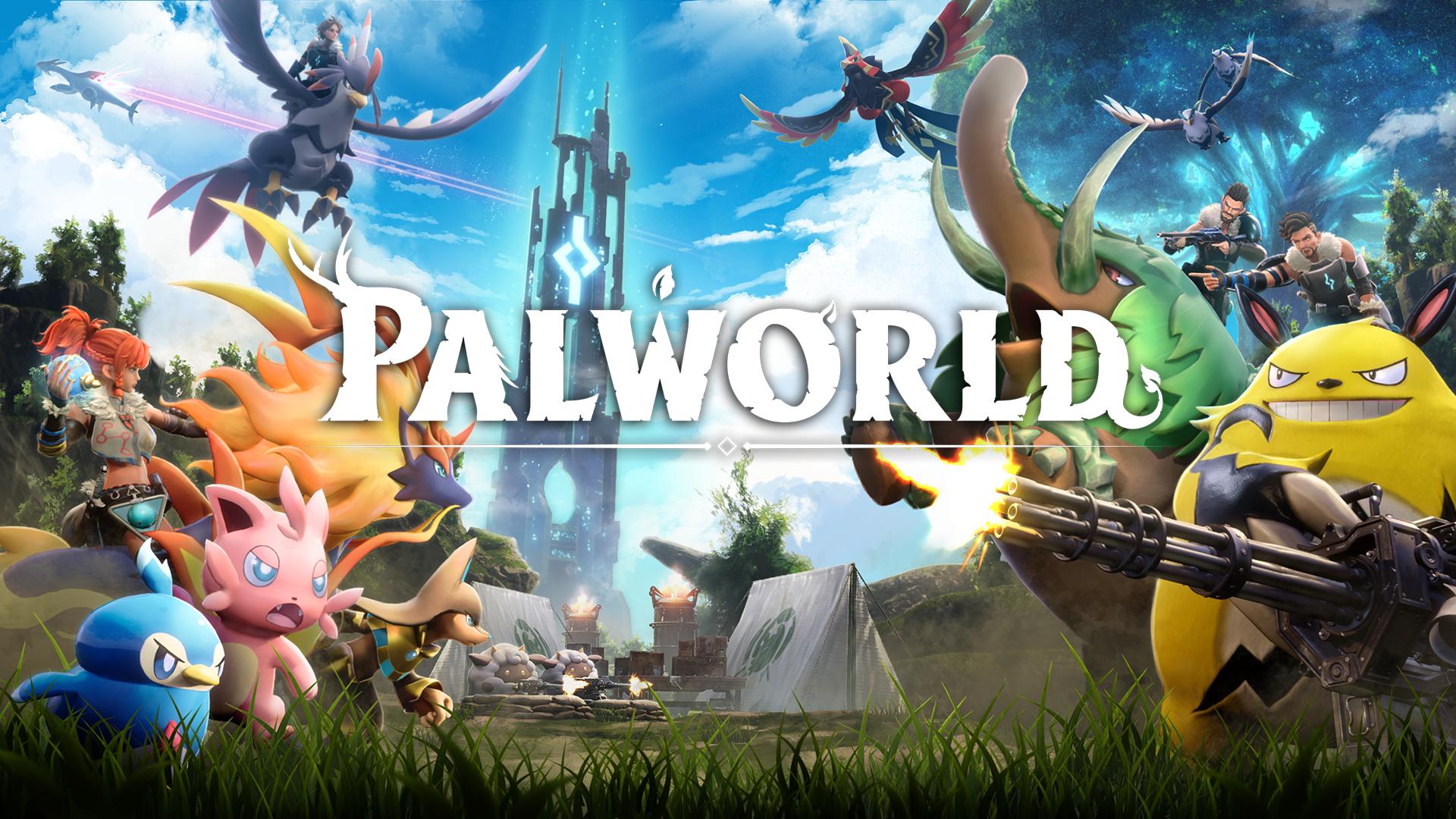
Palworld continues to be a strong case study for accessibility paired with a super clear hook. It’s a great example of how a compelling idea can drive massive early adoption.
-
Stellar Blade is getting attention for its tight combat loop and clear visual feedback. It focuses on a single core gameplay pillar and executes it well.

-
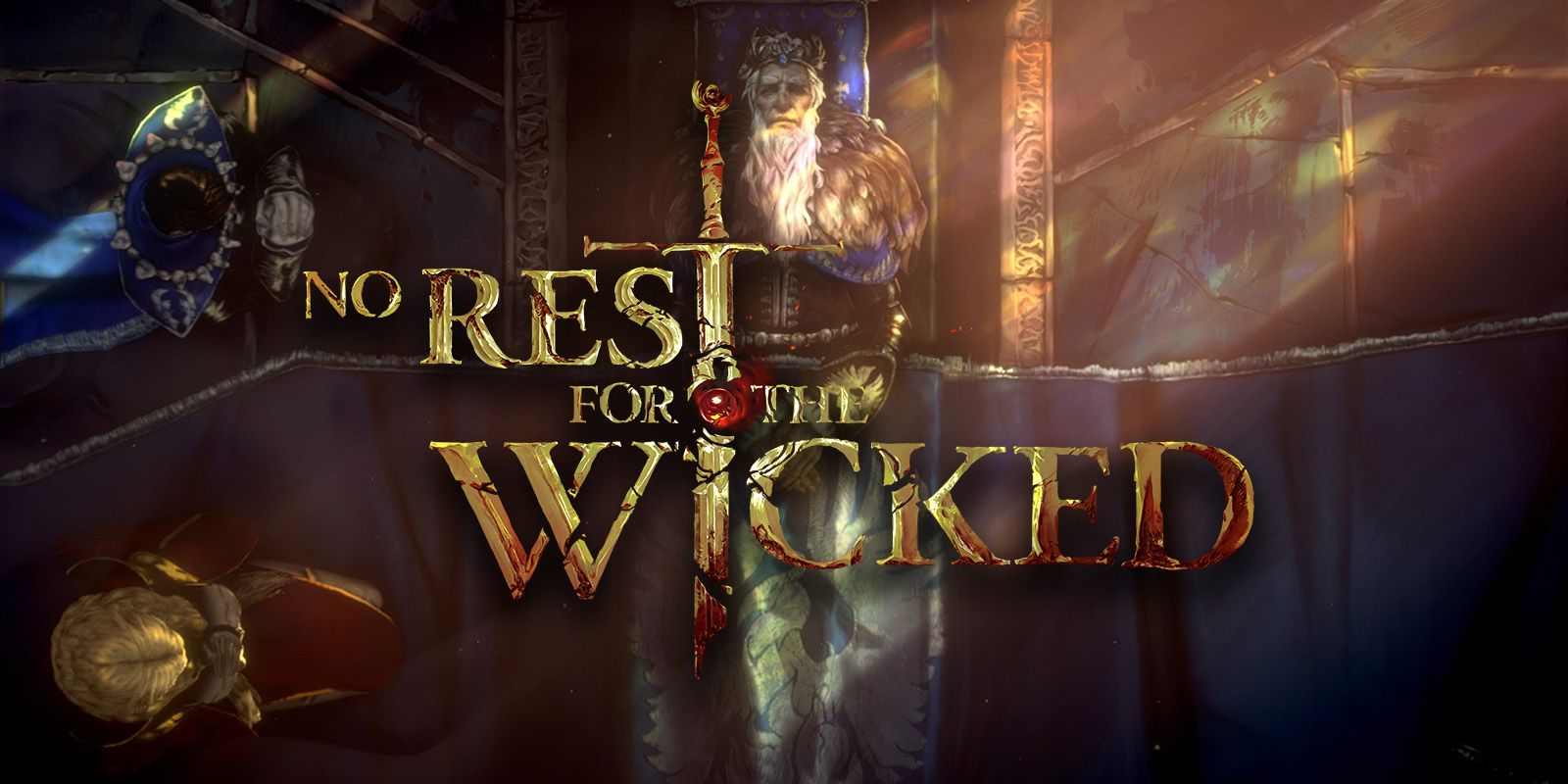
No Rest for the Wicked stands out for how it blends ARPG systems with a slower, more deliberate pace. It has a different feeling, and that’s exactly why people are keeping an eye on it.
-
And Dave the Diver keeps coming up for its pacing. It introduces new mechanics just as players start to settle in, keeping engagement high without overwhelming them.

And all of these point to the same thing: Clarity might get players in, but structure and pacing are what keep them around.
Right now, the industry feels more data-driven, but also more experimental than ever. Teams are testing faster, learning faster, and adapting in real time.
But at the end of the day, the goal hasn’t changed. Make something people actually want to play—and keep coming back to.
---
Watch the video here:
Video posted on April 11, 2026.