Mega Cat Gaming News: The Dev-Player Loop

This week, a dev team shipped a brand-new feature… and then wiped it from the game just 48 hours later.
And no, it wasn’t because the code was broken. It’s because players didn’t use it the way the team expected. Honestly? That’s becoming the new normal. We’re not just talking about what’s launching. We’re looking at how games actually evolve AFTER they hit the store. Because in 2026… release day? That’s just the beginning. So, let’s get into it!
The Ship and Shift Meta
First up—the idea of a ‘finished game’ is starting to fade. More and more studios are treating launch as Day One of Live Development.
We’re not talking about Early Access or Beta. This is a full release that’s constantly evolving. From a dev standpoint, player data is now more valuable than any internal testing. No matter how much QA a team does, nothing beats thousands of real players breaking your systems in ways you never expected.
They’ll optimize the fun out of a mechanic you loved, or completely ignore a feature you spent months building. So, the strategy is shifting: Ship earlier, watch how people actually play, and adjust fast. It’s less about being perfect on day one and more about getting it right over time.
The 48-Hour Patch
Because of that shift, we’re seeing a new internal benchmark: The 48-Hour Patch Window. If something isn’t landing, you don’t wait for the next Big Content Drop. Fix it immediately. Whether it’s a broken economy or a confusing UI, these are live problems, not post-launch polish. This means designers and community managers are working closer than ever. When teams respond fast, it builds trust in a way marketing campaigns just can’t buy.
Players as Co-Designers
This is where it gets really interesting. Players are basically becoming co-developers. Your feedback on balance, roadmaps, and features is literally shaping the games you play.
But here’s the dev-side challenge—players don’t always know what they actually want. They might ask for a feature that sounds cool but kills the core experience. The job on the dev side is to look past the suggestion and find the real problem.
If a system feels boring, that doesn’t always mean more content is needed. It might mean the pacing is off or the UI isn’t clear enough. That’s where good design comes in.
The Danger of Update Fatigue
Now there’s a flip side. Just because games can be updated constantly doesn’t mean they should. We’re starting to see “Update Fatigue”.
If a game changes every three days, you can’t build mastery—your favorite strategy might vanish overnight. It creates friction instead of excitement. The real trick for a studio is finding that balance between responsiveness and stability. Fast updates may show that we’re listening, but consistency is what keeps players invested for the long haul.
Deep Dive: Designing for the Meta
This leads to the big conversation in the office right now—Designing for the Meta Game. The second a game launches, players start optimizing. They find the fastest routes, the strongest builds, and the most efficient strategies.
From a dev standpoint, you’re not just designing a system—you’re designing how it evolves under pressure. Many teams are intentionally leaving room for the meta to shift—planning for strategy discoveries and meta resets. When a meta feels healthy, the game stays fresh without needing a massive 100 GB update every month.
Rapid Fire: The Discovery List
Now before we head back to the dev floor, here are a few titles the industry is watching for how they handle these evolving systems.
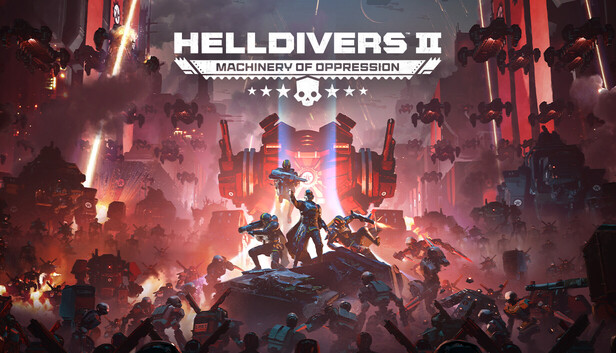
Starting with Helldivers 2—it’s still setting the bar for live-service storytelling. The devs are actively adjusting missions, enemy behavior, and global objectives in real time, making players feel like they’re part of an ongoing war.
Then there’s Hades II. It’s still dominating dev conversations with how it handles early access feedback. Every update feels intentional and not reactive, which is exactly what keeps players engaged without overwhelming them.

Lethal Company takes a different approach—it thrives on emergent gameplay. Instead of constant updates, it lets player behavior create new experiences every session.
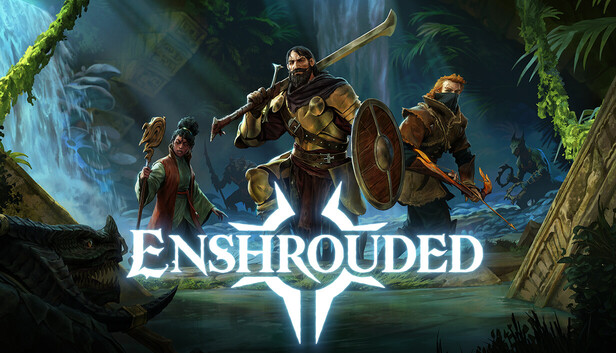
Enshrouded is also getting a lot of attention, especially with how it’s rolling out roadmap updates based on community principles while still protecting its core survival loop.
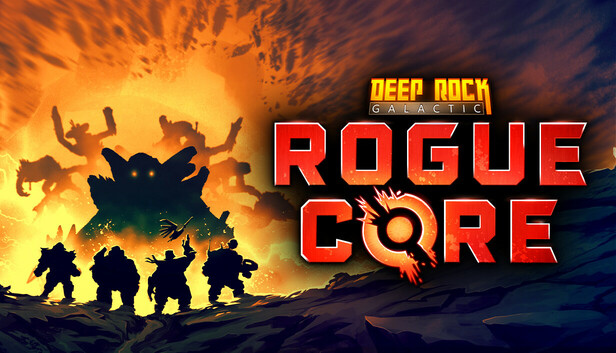
And finally, Deep Rock Galactic continues to be a gold standard. Years later, it’s still evolving, but in a way that respects player mastery and keeps its identity intact.
 The biggest shift in 2026 isn’t just how games are made, it’s how they live. Once players get their hands on a game, it stops being just the studio’s vision—and becomes a shared experience.
The goal isn’t just to launch. It’s to grow, listen, and shape the journey without losing the original vision.
---
Watch the video here:
Video posted on March 28, 2026.