Mega Cat Gaming News: The Evolution of Tutorials and Game Discovery

A publisher told a dev team to remove half their tutorial. Not because it was bad… but because no one was watching it. Sometimes the biggest design lesson isn’t what players say… It’s what they skip.
We’re not just talking about what games are launching. We’re looking at how games actually get made and the decisions that happen behind the curtain. So, let’s dive right in.
The Death of the Long Tutorial.
First up, tutorials are getting shorter… a lot shorter. A few years ago, it wasn’t unusual for onboarding to stretch past twenty minutes. Pop-ups, control breakdowns, ability trees… basically a playable instruction manual before the game even started. But dev teams have been digging into their analytics lately, and the results are pretty brutal. Players are skipping tutorials entirely… or worse, quitting during them.
From a development standpoint, this has pushed designers toward something called Embedded Learning. Instead of explaining systems upfront, games teach players in the moment they actually need them—like swinging a sword before the game tells you how, discovering crafting because you ran out of tools, or learning to dodge because an enemy forced you to react.
It’s less about “press X to jump” and more “Oh! I needed to jump there.” And honestly, that just feels more natural. The big takeaway developers are seeing is simple: players learn faster when they’re curious, not when they’re being lectured.
Smaller Teams, Bigger Experiments.
Another shift we’ve been seeing this year is how indie teams are structuring themselves. For a long time, success meant scaling up—bigger teams, more departments, and more people all working toward one massive project.
But lately, we’re starting to see the opposite. Studios are intentionally staying smaller and modular.
Rather than putting everyone on one huge game, we’re seeing micro-teams running multiple experiments at once. From a dev standpoint, this dramatically lowers risk. If one project struggles, the entire studio isn’t stuck waiting years to see if it succeeds.
It starts to feel a bit like startup culture: build fast, test ideas, and cut the ones that don't click. And when something does click? That’s when teams scale up.
Steam Visibility is the New Boss Fight.
Now let’s talk about something every dev worries about: discovery. Because making a good game isn’t the hardest part anymore—getting people to notice it is.
Steam alone launches dozens of games every... single... day. Which means visibility has basically become its own design challenge. Inside studios, there’s a phrase that comes up a lot now: the Scroll Test.
Think about someone browsing the store and scrolling past dozens of games. Can they understand yours in about two seconds? That means the capsule art, the title, and even the first gameplay clip all have to communicate the fantasy immediately. If the core idea only becomes clear after five minutes… let’s face it, most players won’t get that far.
Discovery isn’t just a marketing problem anymore. It’s becoming part of the design process itself.
The Return of Mechanical Depth.
But while games are getting easier to understand upfront, something interesting is happening on the other side of the spectrum. Depth is making a comeback.
More developers are designing systems that reveal themselves gradually instead of overwhelming players with everything at once. From a dev standpoint, this approach is often called Layered Complexity.
The first hour feels simple. A few hours later, a strategy starts to emerge. And by the twentieth hour, that’s when the reallyyy crazy stuff starts showing up. This approach respects new players without sacrificing mastery. You can jump in quickly, but there’s still plenty of depth waiting if you stick with it.
That’s one reason some of the most replayable games keep thriving. Once players realize the system goes deeper than they expected, they start experimenting–and that’s usually where communities begin to form.
Deep Dive: The “One System” Philosophy.
Speaking of players experimenting with deeper systems, this one raises an interesting question on the development side. How many systems does a game actually need?
One of the biggest internal conversations in game development right now is about focus. More and more successful projects are following what designers call the One System Philosophy. The idea is pretty simple. Instead of building ten mechanics that are decent, build one system that’s incredible, and let everything else support it.
The core system could be anything! A physics interaction system, a creature AI ecosystem, a deck-building mechanic, or even a single combat loop that just feels amazing.
From a dev perspective, this changes how teams prioritize development time. Instead of spreading effort across dozens of features, studios put most of their polish into the core loop. And that’s usually the part players remember anyway. Because at the end of the day, players rarely talk about the tenth crafting resource. They talk about the moment the game surprised them.
Rapid Fire: The Discovery List.
Before we head back to the dev floor, here are a few titles getting a lot of attention inside developer circles this week.
First up is Hades II in early access. It’s a masterclass in iterative development—Supergiant keeps tuning weapons and boons in real-time based on player feedback. It’s a game that’s evolving as we speak.

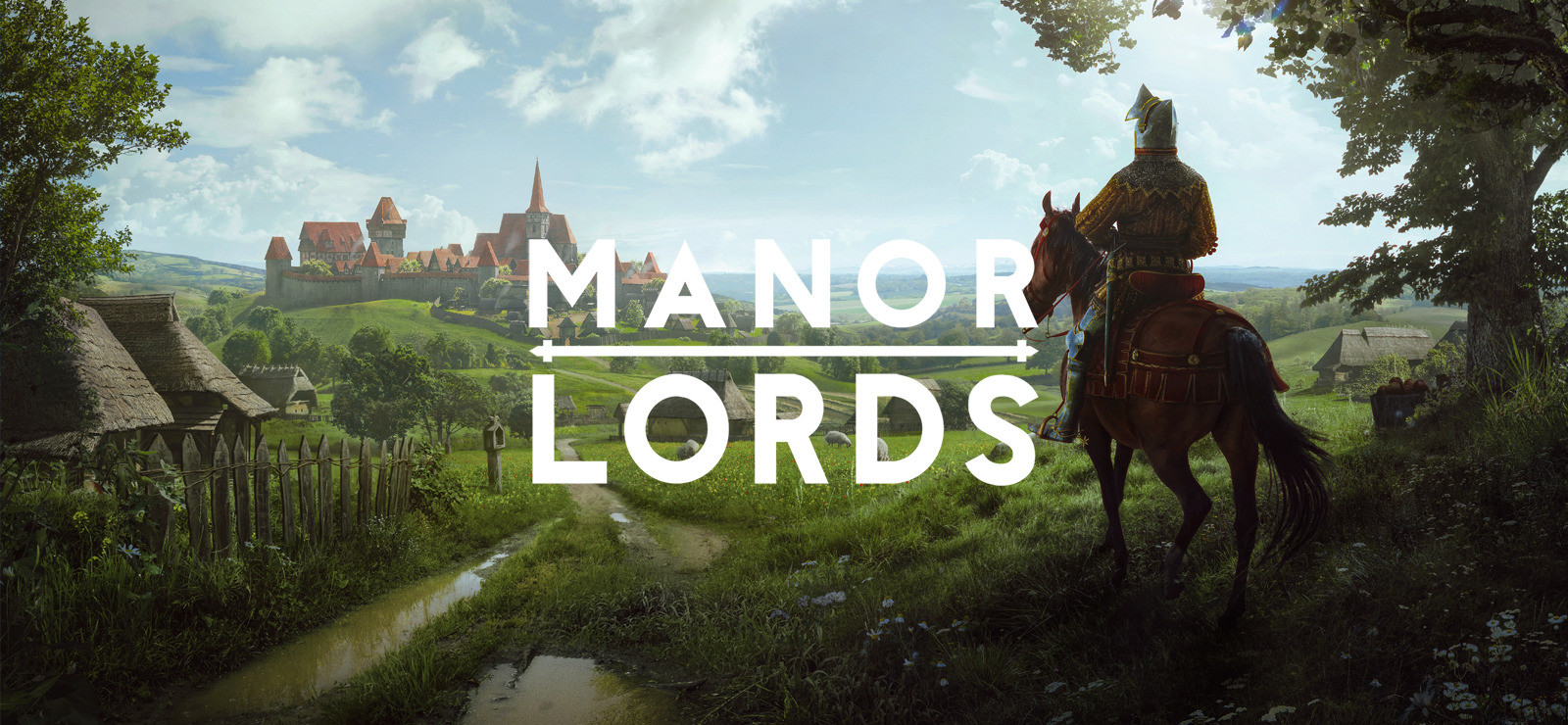
Next is Manor Lords, which continues to pull in huge player numbers thanks to its incredibly readable city-building system. Developers have been pointing to it as a great example of balancing deep simulation with a UI that still feels approachable.
Another one devs keep bringing up is Balatro. It basically turns poker into a roguelike deck builder, and it’s proof that a single strong system—in this case, card synergies—can carry an entire game.

Then there’s Pacific Drive. It’s a survival loop built entirely around one thing: your car. It’s the perfect example of that focused structure we mentioned earlier.

And finally, Tiny Glade is making waves for its cozy design philosophy. No combat, no pressure—just creative building tools and beautiful feedback systems.

It’s interesting how many of these games reflect the same ideas we’ve been talking about throughout this episode. Focused systems. Thoughtful design. And mechanics that reveal their depth over time.
If there’s one thing developers are realizing this year, it’s that bigger doesn’t automatically mean better.
Sometimes, the best games come from smaller teams, clear ideas, and systems that players can truly fall in love with.
The goal isn’t just to build more, but to build something worth discovering.
---
Watch the video here:
Video posted on March 20, 2026.