Mega Cat Gaming News: The 24-Hour Verdict

Launch day used to feel like the starting line.
A game would go live, reviews would roll in, players would spread the word, and momentum would build over time. The slower cycle gave developers room to breathe—a chance to iterate, improve, and find the audience that would carry the game forward.
That’s not really the case anymore.
In 2026, players decide fast. Sometimes within hours. Sometimes during a single stream. And more often than not, that first 24-hour window shapes how a game performs long after launch.
It’s not just about releasing a game anymore. It’s about how quickly it clicks.
The First-Day Economy
The way games are evaluated has changed dramatically. Launch used to begin a longer cycle of reviews and word-of-mouth growth. Now, player reaction happens in real time—and it happens immediately.
Players don’t need to wait for professional reviews or long-form impressions anymore. Between livestreams, clips, social posts, and community discussions, they can get a feel for a game almost instantly.
Within that first day, players are already asking:
-
Is this worth my time?
-
Is this worth recommending?
-
Am I coming back to this?
If the answer is no, they’re hitting the ‘Uninstall’ before the first achievement even pops.
For developers, that changes the goal. It’s no longer about building toward a slow burn. More and more, teams are building for immediate clarity—because those first few minutes, and especially that first session, now carry far more weight than they used to.
Fast Starts, Clear Identity
That pressure is changing how games are being introduced. Long intros and slow onboarding are becoming harder to justify in a market where attention is limited and players have endless options waiting in their backlog.
This doesn’t mean rushing the experience—it means reducing the friction.
A strong opening needs to answer three questions almost immediately:
-
What is this game?
-
Why is it fun?
-
What makes it different?
If players understand those things early, they’re far more likely to stick around. Confusion costs attention. And in a crowded market, attention is expensive.
Streamers as Launch Multipliers
Whether developers planned for it or not, streamers now play a major role in launch visibility.
A game doesn’t just have to play well—it has to read well.
If gameplay looks slow, confusing, or unpolished on stream, that impression spreads fast. But when a game creates strong moments—surprise, tension, chaos, or those perfect clutch plays—those moments travel even faster.
And that changes how teams think about presentation. It’s also about watchability—because visibility has become part of the launch itself.
Patch Speed Is the New Reputation
Launch day isn’t the finish line anymore—it’s the start of real-time iteration. Players now expect day-one patches, quick hotfixes, and clear communication when things don’t go as planned.
Fast responses build trust.
Slow responses build frustration.
And the reality is, perception forms early.
If players decide a game feels unstable or unsupported in those first few hours, changing that narrative later becomes much harder. A launch isn’t judged by how polished it is—it’s judged by how quickly the team responds once players start reacting.
Deep Dive: The Momentum Curve
One concept developers are watching more closely now is the momentum curve. Every game builds one, and it usually happens within the first few days.
Some games climb quickly, fueled by strong engagement and word of mouth. Others stay flat—stable but forgettable. And some drop off just as quickly as they appear.
The hardest part? That trajectory locks in fast.
Momentum depends on strong first impressions, clear identity, and immediate engagement. Once it starts falling, pulling it back becomes a much harder fight. And in a market moving this fast, recovery windows are getting smaller.
Rapid Fire: The Discovery List
A few recent games show how strong immediate engagement can make all the difference.
-
BattleBit Remastered throws players straight into large-scale chaos with simple visuals and tight gameplay, proving you don’t need 4K textures to create a 10/10 momentum.

-
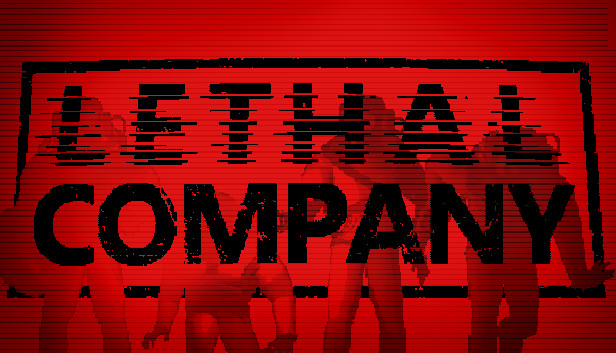
Lethal Company builds instant tension through unpredictability and social dynamics, making every session feel different right from the start.
-
Buckshot Roulette proves that a simple, high-stakes concept can hook players almost immediately.

-
Supermarket Simulator shows how strong progression loops can keep players engaged early—even with a concept that sounds niche on paper.

-
And Content Warning stands out by turning the first session into something instantly shareable, making player-created moments part of the experience.

What all of these games understand is the new reality: You don’t have much time to earn attention anymore. You have to capture it early—and give players a reason to stay.
Games don’t just launch anymore—they face a verdict, and it often comes within the first 24 hours. That reality raises the pressure, but it’s also pushing developers to be sharper, clearer, and more intentional about how they build, launch, and support their games.
Because in 2026, attention isn’t earned slowly—it’s won fast.
And if you miss that window, getting it back might be the hardest patch of all.
—
Watch the video here: