Mega Cat Gaming News: Press X to Take the Scenic Route

The objective marker said, “Go left.”
Many players went right instead.
They discovered hidden areas, stumbled into unexpected encounters, and found stories they never planned on experiencing in the first place.
Those moments of exploration have always been part of what makes games special. Now, more developers are reexamining how convenience, pacing, and player engagement shape the experiences we remember most.
When Friction Creates Value
One conversation gaining traction across the industry is the idea that friction is not always a bad thing. For years, developers worked to eliminate anything that disrupted flow. Faster menus, shorter wait times, and instant gratification became increasingly common design goals.
However, some teams are beginning to recognize that when every obstacle disappears, experiences can start to feel disposable.
Developers like Hidetaka Miyazaki have long embraced the idea that effort gives meaning to success. Challenges create tension. Delayed rewards build anticipation. Overcoming adversity transforms accomplishments into something players genuinely remember.
That doesn’t mean games should become intentionally frustrating. Instead, it raises an important design question: when does convenience enhance an experience, and when does it diminish it?
Convenience Versus Engagement
Convenience undeniably makes games easier to approach. Fast travel systems reduce repetition, navigation markers keep players on track, and automated systems remove unnecessary busywork.
At the same time, some developers have started examining what gets lost when every shortcut is available.
Travel often creates opportunities for discovery. Unexpected encounters, environmental storytelling, and a growing familiarity with the world itself can all contribute to a player's connection with a game.
Developers like Todd Howard have frequently highlighted the importance of exploration in creating memorable experiences. The journey can sometimes matter just as much as the destination. As a result, more teams are asking whether certain forms of convenience save time or remove meaningful engagement altogether.
Travel Becomes Part of the Experience
One noticeable shift emerging in recent years is the return of travel as gameplay. Instead of treating movement as an obstacle standing between objectives, developers are finding ways to make the journey itself worthwhile.
Dynamic events, environmental storytelling, and interactive systems encourage players to remain engaged even during quieter moments.
From a development perspective, this approach allows studios to add depth without necessarily introducing entirely new mechanics. Existing spaces become opportunities for storytelling, discovery, and player expression.
The world stops being a backdrop and starts becoming an active participant in the experience.
Slower Systems, Stronger Memories
Not every meaningful moment happens during a boss fight. Sometimes, it comes from the slower systems surrounding the action.
Crafting materials by hand. Preparing for a difficult encounter. Traveling across a familiar landscape without immediately skipping ahead.
Developers like Fumito Ueda have often embraced quieter moments, creating experiences that linger with players long after the credits roll.
From a design standpoint, slowing players down can encourage presence. Instead of rushing toward the next objective, players have opportunities to absorb the atmosphere, reflect on their progress, and build stronger connections with the world around them.
Speed is not always the goal. Sometimes, weight is.
The Idle Brain Problem
Another challenge many teams are attempting to avoid is player autopilot. When systems become overly optimized, players may stop making meaningful decisions altogether. Objectives become routines. Navigation becomes automatic. Engagement gives way to repetition.
Sid Meier famously described games as a series of interesting decisions. That philosophy remains relevant today. Small moments of friction can encourage players to think more carefully about their actions. Trade-offs, risks, and meaningful choices help maintain engagement by ensuring players remain active participants in the experience.
The goal is not to create unnecessary obstacles, but to preserve opportunities for decision-making.
Deep Dive: Designing Meaningful Downtime
Not every moment in a game needs to be intense. In fact, constant stimulation can reduce the impact of a game's biggest moments.
More developers are intentionally designing downtime into their experiences. Opportunities to breathe. Observe. Explore. Reflect.
Developers like Shigeru Miyamoto have long balanced action with quieter stretches of exploration, allowing players time to reset before the next challenge.
Pacing relies on contrast. Without slower moments, fast moments lose their impact. Without stillness, excitement becomes harder to appreciate, and sometimes, the spaces between major events are what give those events meaning in the first place.
Rapid Fire: The Discovery List
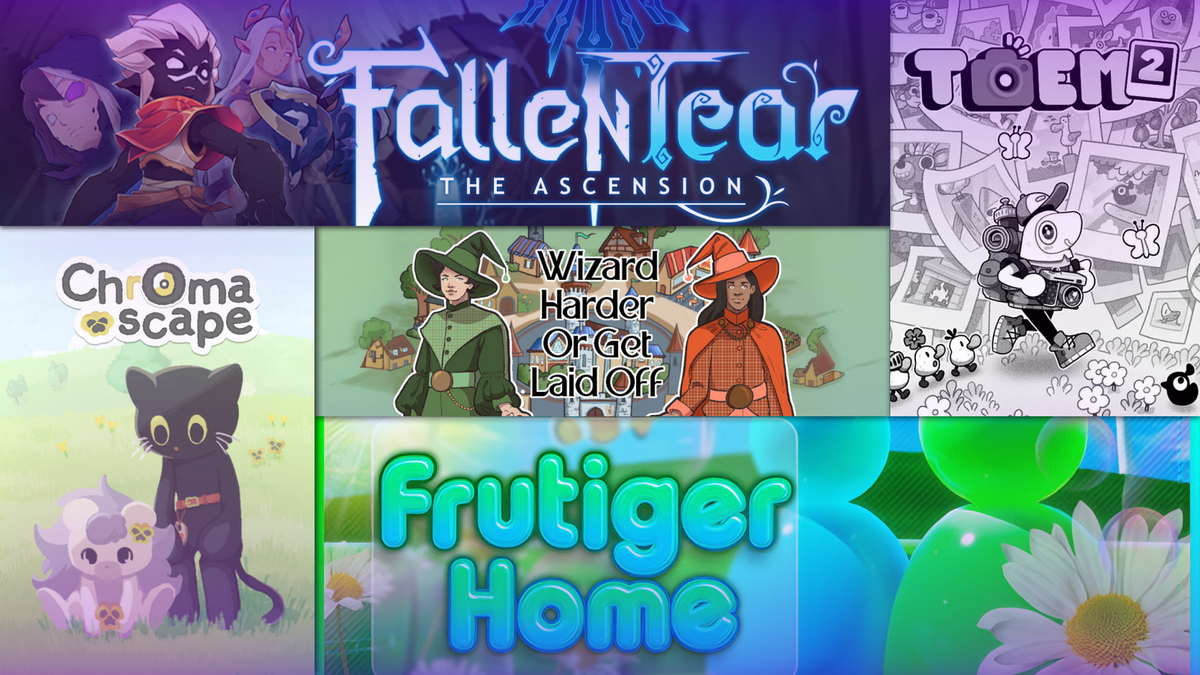
A few games from this week’s Mega Cat-alogue highlight how developers continue experimenting with pacing, atmosphere, and experiences that encourage players to slow down.
- Gothic 1 Remake revisits a beloved RPG while preserving the harsh atmosphere and immersive worldbuilding that defined the original.

- Solarpunk™ invites players to farm, build, craft, and explore floating islands within a technologically advanced survival sandbox.

- Puni the Florist trades combat for bouquet design, flower symbolism, and the joys of running a magical flower shop alongside an occasionally chaotic fairy companion.

- Killer Bean delivers acrobatic action and absurd bean-fueled chaos inspired by the cult animated series.

- Spirit Talk - Cozy Visual Novel follows a young witch who helps spirits and their loved ones find peace through conversation, investigation, and potion crafting.

If you’d like a deeper look at this week’s featured games and more indie discoveries, be sure to check out the latest Mega Cat-alogue feature here.
Right now, game design feels like it is searching for balance. Not everything needs to be instant and optimized, because sometimes, the experiences that stay with us the longest are the ones that ask us to slow down, take a wrong turn, and discover something unexpected along the way.
—
Watch the video here: