Mega Cat Gaming News: The Year Indie Ate the Charts

Big budgets, famous franchises, and blockbuster marketing campaigns. That's usually what comes to mind when we think about the biggest games in the industry. But lately, the conversation has gotten a lot more interesting.
Some of the year's biggest breakout hits came from independent studios, and plenty of them didn't need an established franchise to get players' attention. So, what's changing? Are players getting tired of familiar formulas, or are smaller teams finding new ways to stand out?
Let's look at the numbers, the rise of “friendslop,” and what indie developers can take away from this shift.
Indies Did the Heavy Lifting
According to Sensor Tower's Indie and New IP Break Out, Without Denting AAA report, 76 PC and console games sold at least 500,000 paid units in their first 30 days between September 2025 and August 2026. That's up from 55 in the previous 12-month period. Indie breakouts accounted for a huge part of that growth, jumping from 13 titles to 33.
The numbers get even more interesting when we look at sales. First-month sales for indie breakout games climbed from 31.9 million units to nearly 70 million, an increase of around 119%. Indie titles also grew their share of all breakout games from 24% to 43%.
That's a pretty big shift. Indie games aren't just filling gaps between major releases. They're finding audiences of their own and becoming major hits in their own right.
Of course, this doesn't mean every indie project is about to become the next Megabonk. Plenty of games still struggle to get noticed in an increasingly crowded market. But the numbers show that smaller studios can make a real impact without the budget of a blockbuster production.
The trick isn't to make the biggest game possible. It's to give players a reason to notice yours.
AAA Didn’t Lose; Indies Just Grew
It's tempting to look at these numbers and declare that indie games are taking over. But that's not quite what happened.
AAA breakout games actually increased slightly, from 27 to 28. Their estimated first-month paid sales also remained substantial, accounting for nearly half of all units sold across the report's breakout cohort.
In other words, big-budget games aren't disappearing. The indie market is growing alongside them.
Players don't have to choose between the next massive blockbuster and a quirky indie release. Someone can spend months looking forward to a new battlefield game and still pick up a strange little game they spotted on Steam that afternoon.
For smaller developers, that's good news. Competing with AAA studios on production scale or graphical fidelity is a tough battle. Finding a distinct idea and building an experience around it can be a much more realistic way to stand out. A smaller team doesn't need to outspend a major publisher. It needs to understand what makes its game worth playing.
The Power of “Friendslop”
One of the more unusual trends in this breakout wave is “friendslop," the informal label for chaotic multiplayer games that thrive on unpredictable situations and questionable teamwork.
You know the kind. The plan sounds easy until a friend makes a terrible decision, the whole team starts panicking, and suddenly the funniest part of the session is trying to recover from the disaster.
These games often rely on simple setups and player-driven chaos rather than complicated systems. The entertainment comes from what happens when people interact, improvise, and occasionally sabotage their own progress.
Sensor Tower counted nine friendslop breakout games in its latest cohort, compared with five in the previous period. But here's the important part: this wasn't the only type of indie game finding success. Friendslop accounted for just four of the 20 additional indie breakouts. The rest came from other genres and approaches.
So, no, the lesson isn't to add co-op chaos to every project and hope for the best.
What developers can learn is why these games connect with players. A clear premise gets people started quickly, unpredictable interactions create memorable moments, and players help generate the fun themselves.
Sometimes, giving players room to create their own stories can be just as valuable as scripting every moment.
New IP is Breaking the Franchise Wall
Here's another detail worth a closer look: more than half of the breakout games in Sensor Tower's latest cohort were the first entries in their respective series.
The report counted 40 first-entry breakouts, representing 53% of the total. Games based on original intellectual property also increased, rising from 44 titles to 61.
Established franchises have an obvious advantage. Players already know the characters, recognize the worlds, and have years of memories attached to the name. A brand-new game doesn't have that head start.
Yet new titles like Escape from Duckov and Megabonk show how distinctive concepts can catch on without decades of franchise history behind them.
Originality doesn't mean inventing a genre nobody has ever seen before. Familiar mechanics can still feel fresh when a game gives them a strong identity and an interesting twist.
For indie developers, that's an encouraging reminder. You don't need an existing franchise to get players interested. You need a concept that makes them curious enough to give it a shot.
Deep Dive: What Developers Should Actually Learn
So, what does all this mean when you're back at the drawing board?
First, don't mistake a trend for a guaranteed hit. Friendslop is having a moment, but copying the latest successful co-op game doesn't automatically make your project the next big thing. The same goes for original IP. A new name alone won't make a game stand out.
Build around what makes your game special. If your core mechanic is the reason people want to play, give it room to shine. If the appeal comes from the story, make the characters and their choices matter. Resist the urge to add features just because another successful game has them.
Second, think carefully about scope. A small team has limited time and resources, so every extra system comes with a cost. A focused game with a few polished mechanics can make a stronger impression than a project that tries to do everything at once.
Finally, pay attention to the experience you're creating for players. What makes your game easy to understand but hard to put down? What will they remember after a session? What might make them tell a friend to try it? You don't have to build the biggest game in the room. You just need to give players a reason to choose yours.
Rapid Fire: The Discovery List

The best indie discoveries don't always come with a massive marketing campaign. Sometimes, they just need the right spotlight.
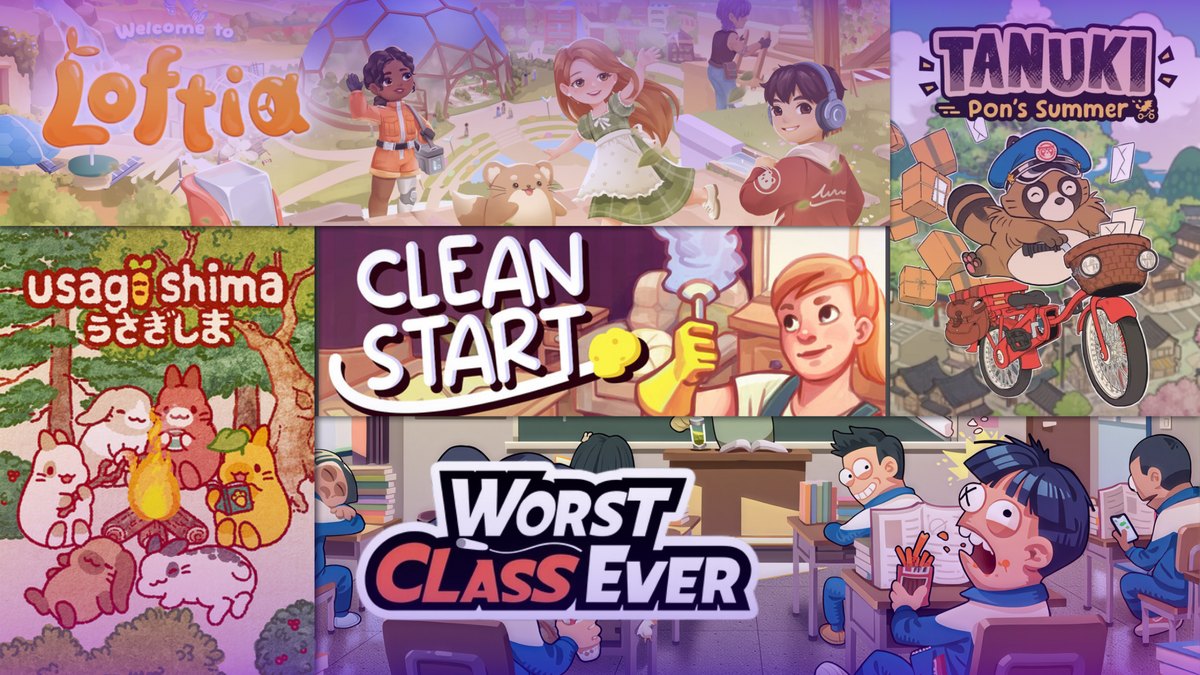
This week, we're highlighting six indie horror games: Rehaunted, Camp Hollow, Penguin Colony, Hapunan, The Doll Shop, and Haze of Lucidity - The Fish.
Expect unsettling mysteries, creepy dolls, supernatural trouble, and a few nightmares that might follow you long after you close the game. It's a lineup for players who like their indie discoveries with a little extra dread.
Want a closer look at these games and more indie picks? Check out the full feature on The Indie Premier and follow us on Steam for more discoveries!
The Big Takeaway: Make Something Players Remember
Sensor Tower's findings paint an exciting picture for independent developers. Indie breakouts grew dramatically, new series found audiences, and AAA games continued to perform well. The industry isn't simply trading one type of game for another. There's room for more ideas to find their people.
For developers, the opportunity isn't about chasing every new trend. It's about knowing what your game does well, making smart decisions about scope, and giving players a reason to care.
Now we're curious: If you had the budget to make only one game, would you bet on a familiar genre with a proven audience or take a risk on an original idea?
Watch the video here: