Mega Cat Gaming News: The Cut Before Launch

A studio recently pulled the plug on a project two years into development. Not because the game was “bad” in the traditional sense—it just wasn’t strong enough to survive the brutal market of 2026. Behind every major launch today, there’s a trail of projects being quietly cut.
The New “Kill Criteria”
In the past, sunk cost fallacy kept many games in development far longer than they should have been. Right now, studios are taking a more disciplined approach. Many teams have introduced Kill Criteria—rigid checkpoints where a project must prove its value to move forward.
Devs are asking tougher questions earlier:
-
Is the core loop actually fun?
-
Is the hook immediately obvious?
-
Can this realistically compete in today’s saturated market?
If the answer is no, the project is cut. Even with years of work invested, stopping early can save budget, time, and the team’s energy.
Fewer Features, Better Execution
There’s a noticeable shift in how games are scoped. The old mindset of “how much can we add?” is being replaced with “what actually needs to be here?”
More features don’t always lead to better engagement; often, they just add friction. Complexity creates more opportunities for things to break or for players to get confused. By tightening the scope and polishing the core, every system feels intentional. When everything supports a strong gameplay loop, the result feels cohesive rather than cluttered.
The Burnout Conversation
Burnout isn’t just a result of “crunch” anymore; it’s fueled by uncertainty. Spending years on a project that might never ship can take a serious toll on developers.
To address this, teams are shifting toward:
-
Shorter development cycles
-
Rapid prototyping
-
Early validation of ideas
The goal in 2026 isn’t just to ship—it’s to build sustainably. By validating ideas early, studios create a healthier, more sustainable environment for their talent.
The Rising “Good Enough” Bar
The baseline for what counts as “good” has skyrocketed. With more options than ever, players have little patience for games that feel generic or unfinished. If a game doesn’t know what it is within the first ten minutes, players will move on to the next thing in their library.
Deep Dive: The Production Reality Check
Every project reaches a turning point—the Production Reality Check is the moment when teams stop looking at the “dream version” of the game and focus on what’s actually achievable.
It’s where the hard decisions happen—features are slashed, systems are simplified, and the roadmap shrinks. This isn’t a failure; it’s alignment. The teams that handle this reality check with honesty are the ones that ship strong.
Rapid Fire: The Discovery List
What are developers paying attention to right now? These titles highlight how strong execution and clear identity matter more than sheer scale:
-
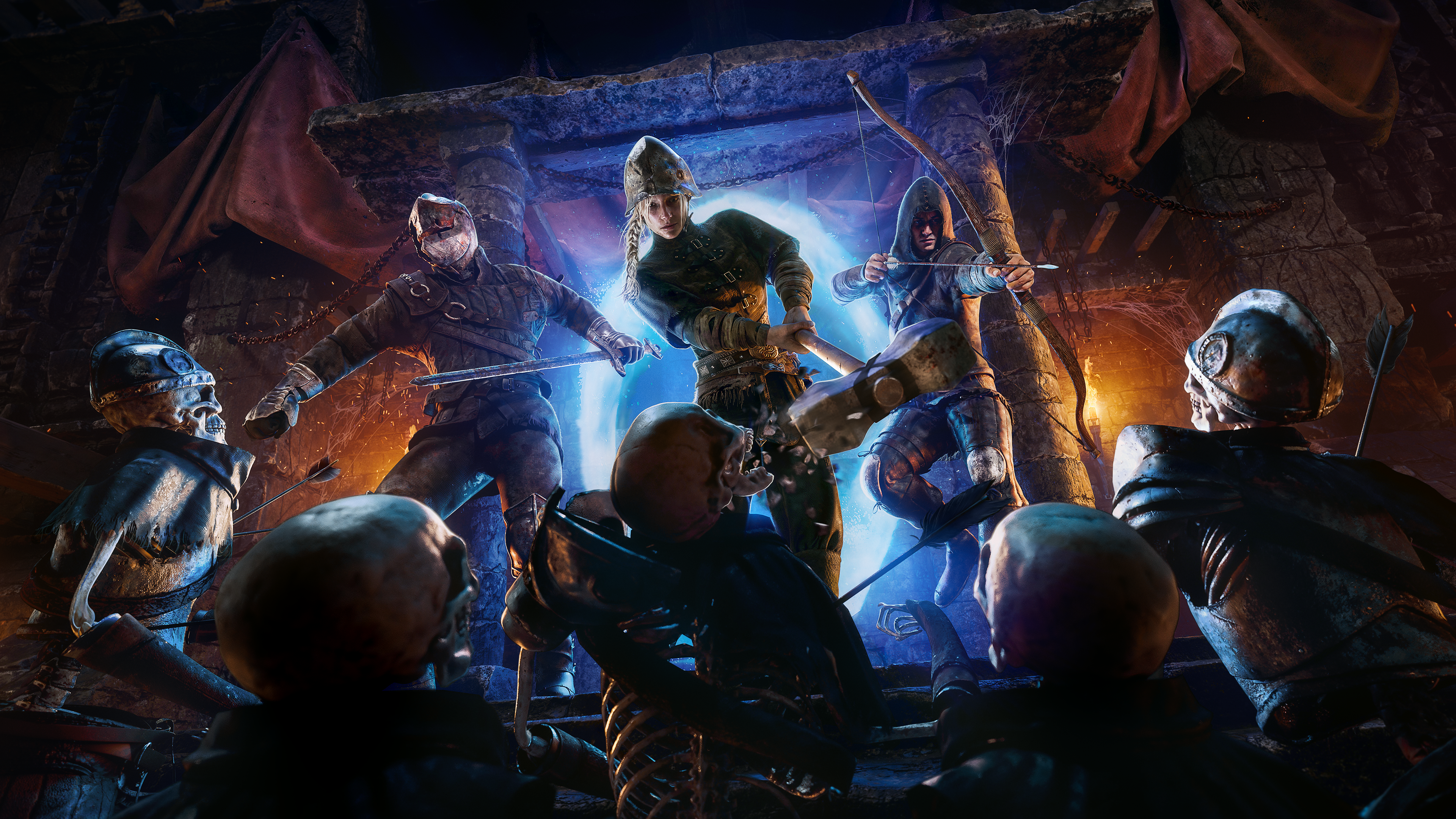
Dark and Darker demonstrates how tension and risk-reward design can carry an experience without unnecessary complexity.
-
Dredge pairs a simple loop—fish, sell, upgrade—with an unsettling atmosphere that keeps players engaged.

-
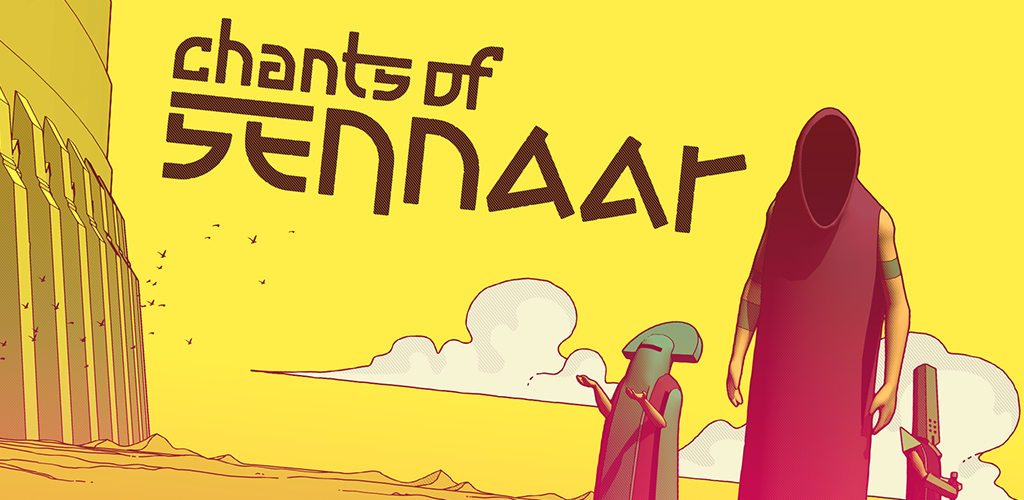
Chants of Sennaar builds around a single, compelling idea—decoding language—and fully commits to it.
-
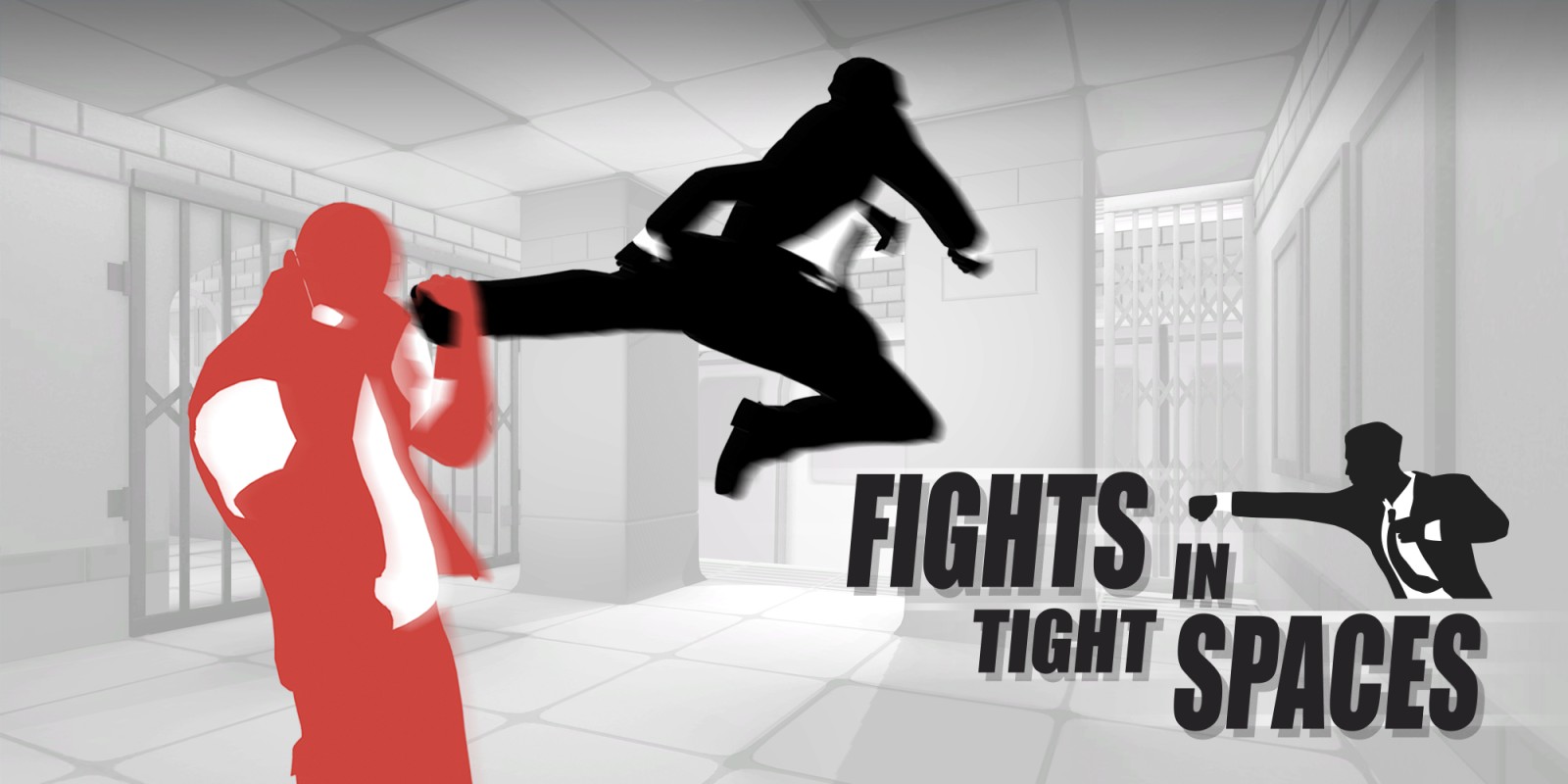
Fights in Tight Spaces shows how depth can emerge from constraints and clarity in decision-making.
-
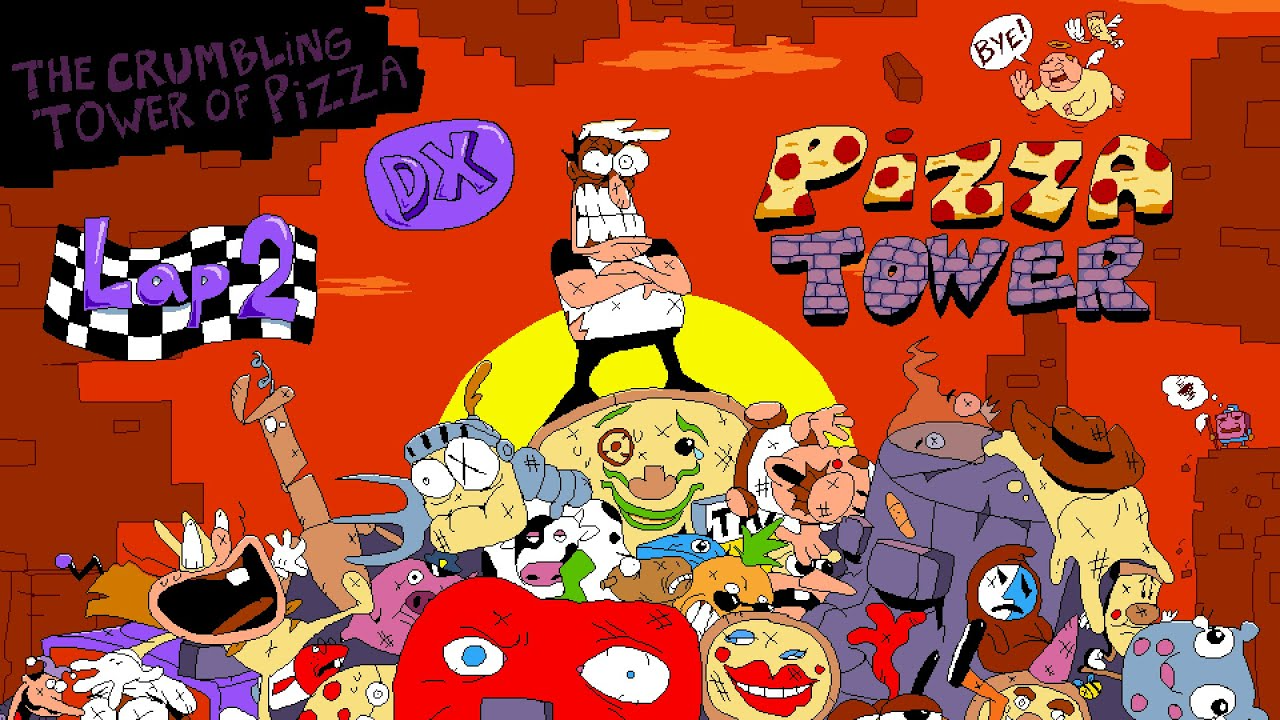
Lastly, Pizza Tower is driven by momentum, with every animation and level pushing the player forward.
All of these point to the same thing. You don’t need more—you need clarity in execution.
Right now, the industry feels more selective than ever. While that raises the bar, it also pushes teams to be sharper and more intentional. In 2026, “good” isn’t enough—the goal is to create something undeniably worth a player’s time.
—
Watch the video here: