Mega Cat Gaming News: Your Steam Library Is Calling

We’ve all done it. A Steam sale rolls around, a game catches our eye, and suddenly it’s sitting in our library with a promise that we’ll play it soon.
Then another sale comes along. And another. Before we know it, our libraries are packed with games, but our playtime hasn’t changed one bit.
So what’s going on? Why do we keep buying games we don’t always play, and what does that mean for the developers trying to get their games noticed?
Let’s take a look at the ever-growing gaming backlog.
The Sale That Started It All
There’s something about a good discount that makes a game feel impossible to pass up. That title you’ve been eyeing is suddenly 70 percent off, and the deal feels too good to miss.
You add it to your cart. Then you spot another game. And another. Before you know it, you’ve picked up five new titles, even though the last five are still waiting to be played.
The funny thing is, we might not even be buying these games because we’re ready to play them. We’re buying them because the deal feels too good to miss.
A limited-time price can make us feel like we’re saving money, even when we’re spending it on something we never planned to buy in the first place. And when the next sale comes around, the cycle starts all over again.
For developers, that creates an interesting challenge. A sale can put a game in front of more players and drive purchases, but a purchase doesn’t guarantee that someone will ever launch the game.
Collecting Games Is Not the Same as Playing Them
Building a game library can be a hobby in itself. There’s a certain satisfaction in finding hidden gems, picking up classics, and growing a collection that reflects your taste.
And there’s nothing wrong with that.
The fun can start to fade, though, when your collection turns into a source of pressure. Suddenly, your library isn’t a collection of games you could play. It’s a list of games you feel like you should finish.
You start thinking about how much you’ve spent, and every new purchase adds another title to that mental checklist. But games are supposed to be entertainment, not homework.
You don’t have to finish every game you buy. You don’t need to squeeze dozens of hours out of a title just to justify the price. And if you try a game and realize it’s not for you? That’s okay, too. A game’s value isn’t always measured by whether you saw the credits roll. Sometimes, a few memorable hours are all you need.
Too Many Choices, Too Little Time
Picture this: You’ve finally got an hour or two to play after a long day. You open Steam, and hundreds of games are staring back at you.
Do you pick up that RPG you started three months ago? Try the indie game you bought last week? Or boot up something familiar? Before you know it, you’ve spent half your gaming session scrolling through your library instead of actually playing anything.
This is known as choice overload. When we’re faced with too many options, making a decision can become harder instead of easier. And in gaming, every choice comes with its own kind of commitment.
A short platformer might be perfect for a quick session. A massive open-world RPG could take dozens of hours. A multiplayer game might require your friends to be online at the same time.
Even if all those games are available, they might not fit the mood or the time you’ve got. That’s also why we tend to fall back on familiar favorites. When time is limited, it’s easier to jump into something we already know than spend the evening learning a brand-new experience.
For developers, the competition goes beyond the latest releases. A game is competing with every other title already sitting in a player’s library. It’s not just about getting someone to make a purchase. It’s about earning a spot in their limited free time.
Subscriptions and the Never-Ending Release Cycle
Sales aren’t the only reason our backlogs keep growing. Games have become more accessible than ever, and subscription services offer massive catalogs for a monthly fee. Players can try games they might never have bought otherwise.
But when there’s always another game available, it’s also easier to move on. You start a game, play a few hours, and then something new gets added to the catalog. Suddenly, that other game looks a little more interesting.
And that’s not even counting the constant stream of new releases, updates, expansions, and seasonal content. Multiplayer games can make things even trickier. Limited-time events, battle passes, and seasonal rewards can make players feel like they need to log in regularly or risk missing out.
So now we’re dealing with two different backlogs. There’s the pile of games we own but haven’t played, and then there’s the pile of games we feel like we need to keep playing because they’re constantly changing.
For developers, subscription services can be a great way to introduce a game to a wider audience. But that audience is also surrounded by an enormous amount of content competing for their attention. The industry has made it easier to access games. It just hasn’t given us any extra hours in the day.
Should We Feel Bad About Our Backlog
So, what do we do about all this?
Maybe the first step is accepting that we’re probably never going to play everything we own. Your library doesn’t need to be a checklist. You don’t have to finish every game before buying another one, and you certainly don’t need to force yourself through a title just because you paid for it.
Play what you’re excited about. Pick a shorter game when you don’t have much time. And maybe take a break from buying games simply because they’re on sale.
There’s a bigger takeaway here for developers, too. A player’s attention is becoming one of the most valuable gaming resources. A great game needs to give people a reason to start playing, but it also needs to respect the time they’re willing to give it.
That doesn’t mean every game has to be short or easy to get into. Long RPGs, complex strategy games, and massive open worlds absolutely have their place. It means knowing what kind of experience you’re asking players to commit to.
Can they get into your game without spending hours figuring out how it works? Does it give them something satisfying early on? And does it make them want to come back? Because when players already have hundreds of games waiting for them, simply being another title in the library isn’t enough. You need to be the game they actually want to play.
Rapid Fire: The Discovery List

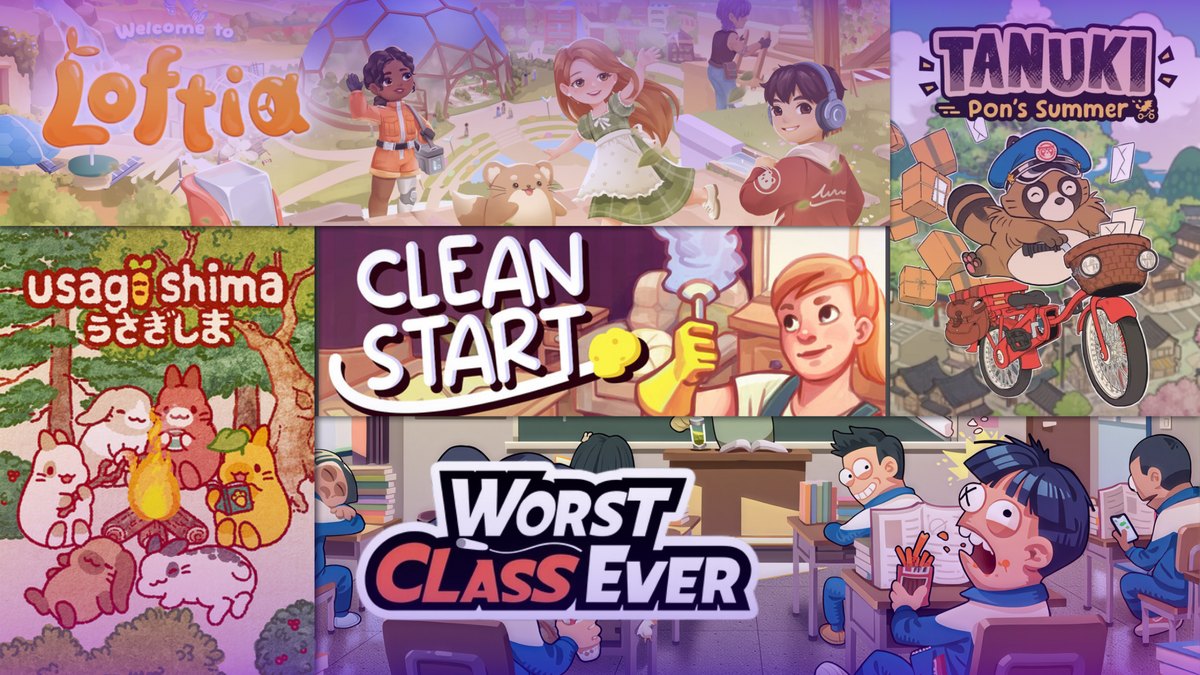
And while we’re talking about games worth adding to the collection, this week’s Mega Cat-alogue features five new Steam picks to check out: Usagi Shima: Bunny Island, Loftia, Clean Start, TANUKI: Pon’s Summer, and Worst Class Ever.
This lineup takes us from turning an abandoned island into a bunny paradise and building a cozy community in the sky to cleaning homes abroad, helping a tanuki restore a shrine, and causing classroom chaos with friends. Cozy? Mostly. Mischievous? Absolutely. Worth a look? You bet!
If you'd like a closer look at what makes these games stand out, along with even more indie discoveries, check out the latest Mega Cat-alogue here.
Your Backlog Can Wait
At the end of the day, having a massive game library should be a good thing. More choices, experiences, and chances to discover something special.
But maybe it’s time we stopped treating our backlogs like unfinished business. Games are meant to be played, not collected as obligations.
So, how big is your gaming backlog? And be honest: how many of those games have you actually played?
Watch the video here: